A Comprehensive Guide to Imported Engine Parts: What You Need to Know Before Making a Purchase
When exploring the world of foreign engine components, several factors warrant careful consideration. Quality, compatibility, and cost play essential roles in ensuring ideal vehicle performance. Recognizing the markers of quality is crucial and to confirm that components satisfy particular vehicle specifications. Furthermore, choosing dependable suppliers can significantly shape the overall outcome. Comprehending these aspects will support better purchasing decisions, though many continue to miss critical details that may affect their buying decisions.
Why Imported Engine Components Are Essential
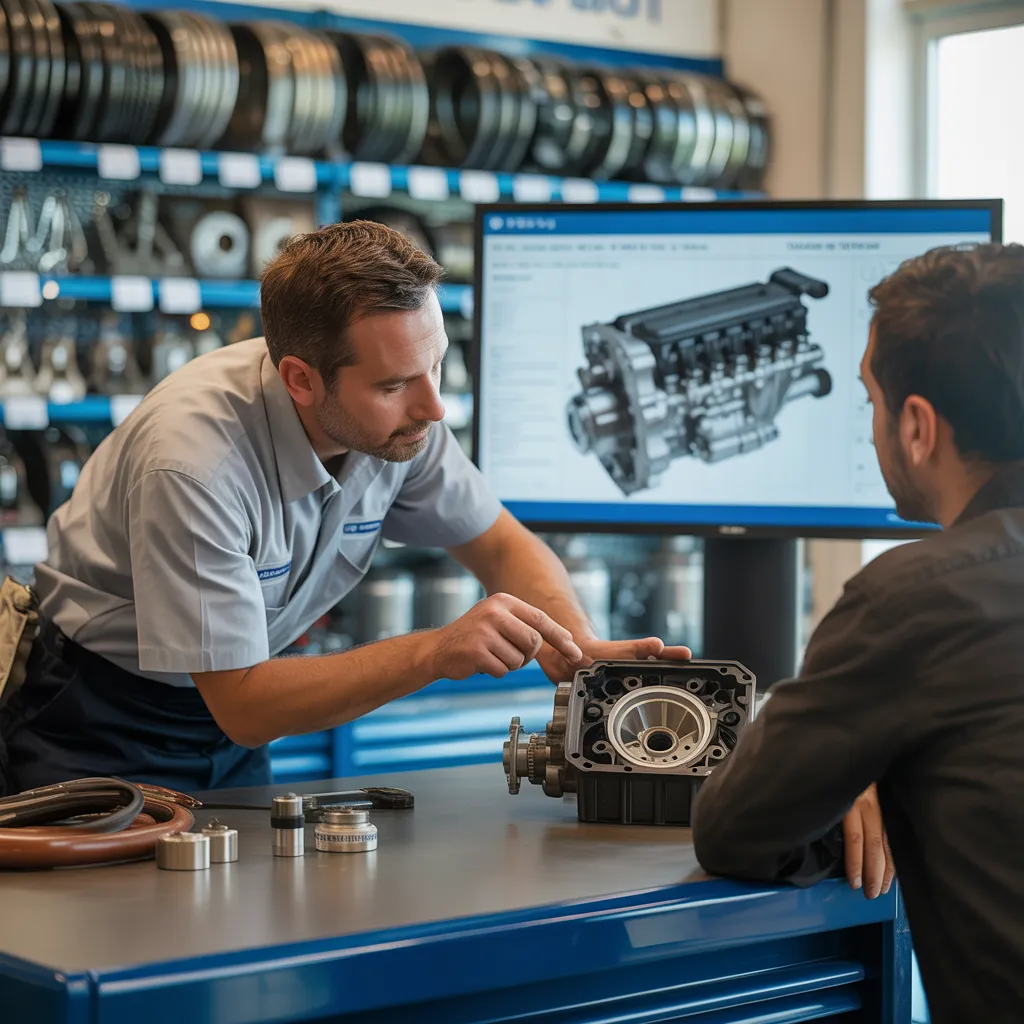
Imported engine parts matter significantly in the vehicle manufacturing sector, as they commonly deliver exceptional quality and superior performance compared to domestically manufactured options. Manufacturers from countries renowned for their engineering excellence, such as Germany and Japan, produce components that frequently incorporate sophisticated technologies and high-grade materials. These imported parts can enhance vehicular reliability, operational efficiency, and overall performance, making them a compelling selection for both manufacturers and consumers.
Additionally, the global market stimulates competition, driving innovation and ensuring pricing remains balanced. For this reason, automotive professionals regularly acquire imported components to verify their vehicles meet or exceed industry standards. Moreover, the availability of a broad range of imported engine parts allows mechanics and enthusiasts to customize vehicles to their standards, elevating both performance and visual appeal. Ultimately, the integration of imported engine parts plays a vital role in the perpetual evolution of the automotive sector, contributing to a more vibrant and progressive landscape.
Measuring Quality: Critical Indicators in Engine Components
When examining the caliber of engine components, a number of critical factors are vital for reaching well-informed conclusions. To begin, materials play a critical role; premium components frequently incorporate resilient metals or sophisticated composites engineered to withstand wear and corrosion. Next, manufacturing processes should be scrutinized; exact manufacturing practices and conformity to established industry standards often signal outstanding quality. Third, brand reputation and manufacturer certifications provide insight into reliability and performance. Businesses with a proven track record of superior performance tend to be more dependable.
Furthermore, rigorous inspection and quality assurance protocols are vital; parts that go through strict quality checks are less prone to failure. Finally, warranty provisions can demonstrate trust in the part's longevity. A thorough knowledge of these factors enables buyers to distinguish superior engine components from inferior alternatives, providing greater efficiency and endurance for their vehicles.
Guaranteeing Compatibility of Imported Components
Ensuring compatibility of engine parts is essential for ideal vehicle performance, as poorly matched components may cause inefficiencies and high repair costs. When evaluating imported components, referencing the vehicle's specifications and manufacturers' guidelines is essential. All engines possess specific requirements, including size, fit, and functionality, that need to match the imported component.
In addition, verifying part numbers through cross-referencing can be useful in verifying part compatibility, as numerous manufacturers keep databases for such purposes. Understanding the parts' origin is also important; distinct regions may have varied standards and specifications.
Seeking advice from professionals or technicians familiar with the particular engine model can deliver useful guidance, while customer feedback may share hands-on knowledge regarding compatibility. In the end, detailed investigation and meticulous assessment of every factor will contribute to making informed choices, ensuring that the acquired parts will function harmoniously within the vehicle's system.
Locating the Most Competitive Prices for Parts
While looking for cost-effective imported engine parts, it is essential to compare multiple suppliers. Such a strategy enables a comprehensive review of the prices and choices available on the market. Additionally, checking online marketplaces can uncover attractive deals that are often unavailable via conventional retail outlets.
Review Multiple Vendors
Many vendors offer a wide range of imported engine parts, making it essential for buyers to compare prices effectively. By obtaining quotes from multiple vendors, buyers can gain insights into market averages and identify competitive pricing. This method encompasses more than just reviewing listed costs, as it also includes assessing freight charges, applicable tariffs, and warranty terms. Furthermore, purchasers should evaluate the credibility and dependability of every vendor, since product quality can significantly influence the total cost of ownership. Testimonials and evaluations from former purchasers can deliver important details about the supplier's performance and product standards. At the end of the day, a detailed analysis allows consumers to make educated choices, making certain they achieve the most favorable deal on their imported automotive parts.
Browse Online Marketplaces
How should buyers approach navigating the extensive array of web-based platforms to discover the lowest prices for imported auto engine components? Initially, carrying out detailed research across different platforms is vital. Websites like eBay, Amazon, and specialized auto parts retailers often feature competitive pricing. Purchasers ought to apply filters to reduce their choices according to brand, price, and condition—new or used. Additionally, reading customer reviews and seller ratings can provide insights into product quality and reliability. It is equally important to review return policies, confirming that items can be sent back when needed. In conclusion, enrolling in price reduction alerts can enable buyers to capitalize on opportunities when they emerge. Through the use of these approaches, buyers can enhance their search for cost-effective imported engine parts.
Identifying Reputable Suppliers and Brands
Choosing reliable distributors and reputable brands is critical for securing the quality and lifespan of purchased engine parts. Buyers should perform thorough research to identify suppliers with positive reviews and a well-established reputation within the vehicle parts sector. Reputable suppliers often provide comprehensive product information, guarantees, and customer support, which can be indicators of their trustworthiness.
It is recommended to select brands known for their production standards and quality assurance procedures. Certifications and industry awards can also serve as benchmarks for evaluating a brand's credibility. Additionally, engaging with forums and discussions among automotive enthusiasts can provide insights into trustworthy suppliers.
To conclude, checking the provider's after-sales service and return policy is essential. A trustworthy provider will support their goods, delivering assistance in the event of issues or defects. This approach not only strengthens the procurement process but also contributes to the reliability and overall performance of the engine components.
Common Mistakes to Avoid When Buying Engine Parts
When buying engine parts, purchasers commonly neglect critical factors that can lead to costly mistakes. One typical oversight is neglecting to confirm compatibility with their vehicle's manufacturer and model, which can result in wasted time and money on incorrect parts. Moreover, some buyers neglect to research the reliability and genuineness of overseas components, leading to subpar performance and potential safety hazards.
A frequent error is not considering the return policy or warranty coverage. Many buyers assume that all parts come with coverage, which can leave them vulnerable if a part malfunctions ahead of time. Furthermore, overlooking delivery expenses and timeframes can disrupt timelines for repairs or builds. Lastly, shoppers tend to rush their purchasing decisions, overlooking critical information including part specifications and reviews. By avoiding these pitfalls, buyers can reach better purchasing decisions, ensuring a smoother experience when sourcing imported engine parts.
Guidelines for Effective Setup of Import Components
Achieving a successful installation of imported engine parts calls for careful consideration of several essential factors. Using the correct tools, following manufacturer specifications, and confirming parts compatibility are vital steps toward a smooth installation process. By following these tips, technicians can enhance both performance and longevity of the engine assembly.
Proper Tools Required
A range of tools are necessary for the proper installation of imported engine components, ensuring accuracy and effectiveness throughout the procedure. A torque wrench is essential for delivering the right amount of torque to threaded fasteners, avoiding damage or failure. Socket sets of varying sizes are required for working with different fasteners, while a view details ratchet can streamline the process. Pliers and screwdrivers are additionally necessary for dealing with smaller parts. A mechanic's creeper can boost comfort and access during the installation procedure. Furthermore, having a comprehensive set of metric and standard wrenches will satisfy various part specifications. In conclusion, protective gear, such as protective gloves and goggles, should not be overlooked to establish a safe work environment. Appropriate tools enable a smoother installation process.
Comply with Manufacturer Guidelines
Following the guidelines set by manufacturers is vital for the proper fitting of engine parts that are imported. Complying with these specifications confirms that parts are installed correctly and function as intended. Each manufacturer provides thorough directions concerning torque settings, alignment, and specific tools needed, which are vital for maximum efficiency. Ignoring these guidelines can cause potential engine damage, improper fitting, or serious safety hazards. Moreover, utilizing the manufacturer-recommended lubricants and sealants as specified will enhance the longevity of the components. It is equally important to seek guidance from the manufacturer's technical team if uncertainties arise during installation. Through adherence to these specifications carefully, one can secure their investment and copyright the performance of their engine system.
Ensure Compatible Parts
Checking compatibility between externally sourced engine components and the existing components is necessary for proper installation and peak engine operation. Before acquiring parts, you should validate key parameters, including measurements, material types, and design specifications. Cross-referencing part numbers with manufacturer databases confirms that the sourced parts will integrate perfectly. Furthermore, reviewing online forums and user feedback can reveal important details regarding the feedback from fellow buyers, revealing common challenges or proven successes. It is further suggested to examine warranty terms and refund policies, ensuring protection when parts fail to satisfy requirements. To conclude, consulting a skilled mechanic experienced with foreign components can improve the probability of a seamless assembly, minimizing the risk of damage during the fitting process. Ensuring compatibility is fundamental to optimal engine performance.
Popular Questions We Receive
Are Imported Engine Parts Covered by Warranty?
Sourced engine parts generally include a warranty, but the coverage can differ depending on the manufacturer and supplier. It is important for purchasers to thoroughly review the terms and conditions to gain clarity on what is included along with any applicable limitations.
What Steps Can I Take to Verify a Part's Authenticity?
To validate a piece's legitimacy, one should check the producer's markings, review the container for damage, contact authorized distributors, and use online registries or platforms that monitor authentic parts to ensure reliable recognition.
What Import Regulations Should I Be Aware Of?
Import requirements involve familiarizing yourself with tariffs, customs duties, safety standards, and emission regulations. Compliance with these requirements is essential to steer clear of fines and confirm that parts fulfill both legal and performance standards for the operation of vehicles.
Is It Possible to Return Imported Parts That Don't Fit?
Processing returns for imported parts is generally governed by the vendor's return guidelines. When the parts are incompatible, customers should review the specific terms regarding returns, including any fees or requirements that could be relevant.
How Can I Effectively Maintain Imported Engine Parts?
In order to keep imported engine parts in optimal condition, regular inspections, proper lubrication, and adherence to manufacturer guidelines are essential. Cleaning components and monitoring for wear can increase their longevity and ensure optimal performance in various conditions.